
Between Taiga and Civilization
Uncategorized Messages from the Siberian Wilderness

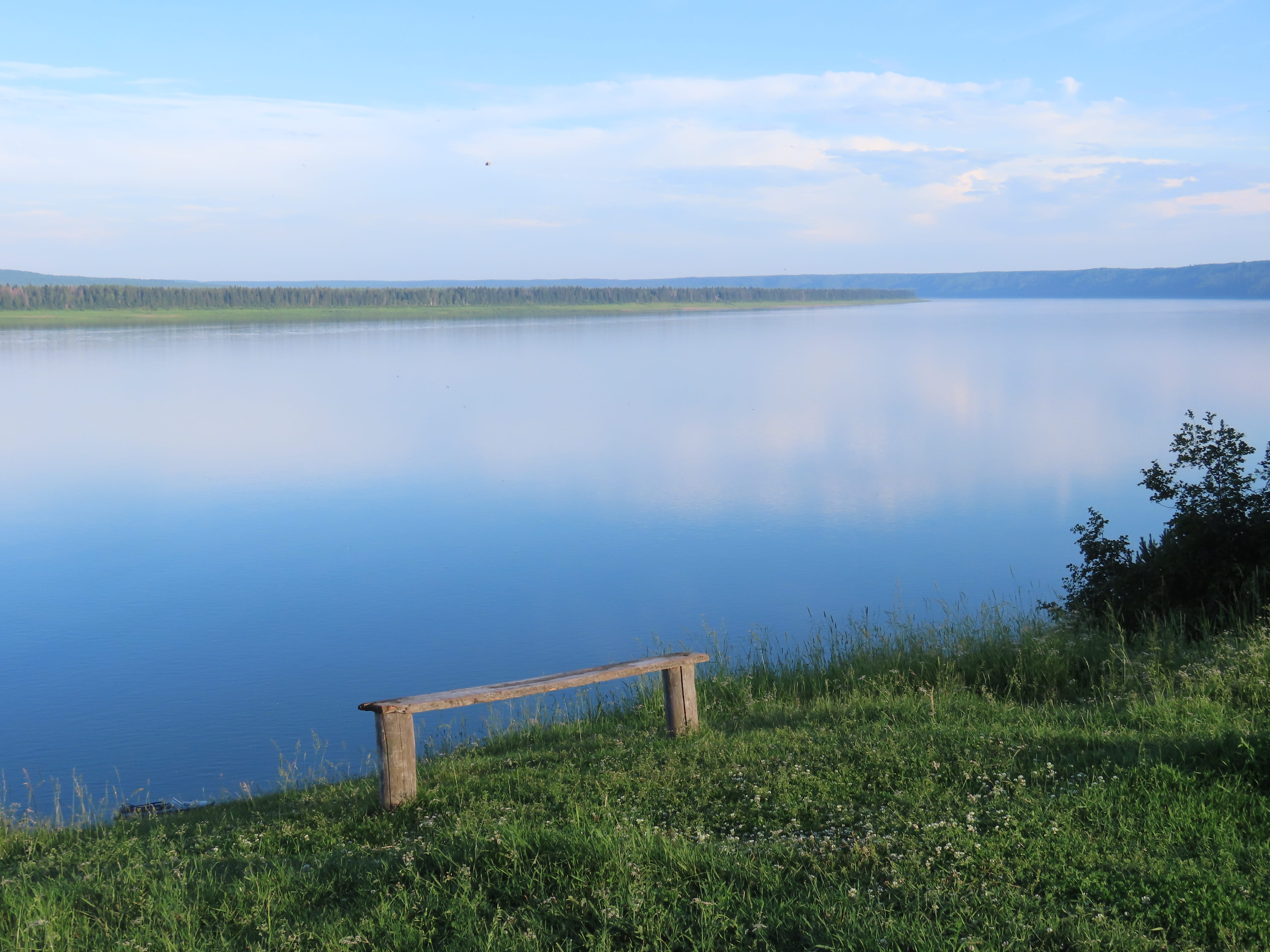
The Yenisey River provides a perfect space for practising spaciousness—in every sense of the word.
We have returned from the taiga and gone back to work, but I feel I need to share something before I can move forward. It is always overwhelming, and it is difficult to find the right words to convey the significance of wild nature—and how much it matters to us, even when we do not know it.
…in Wildness is the preservation of the World.
Henry David Thoreau
So perhaps I will not even try this time. I will simply share a few scattered feelings and photographs.
You arrive by boat during high water. There is no snow left in the forest, but much ice remains along the banks.
No greenery yet—only a few first flowers among last year’s dead grass.
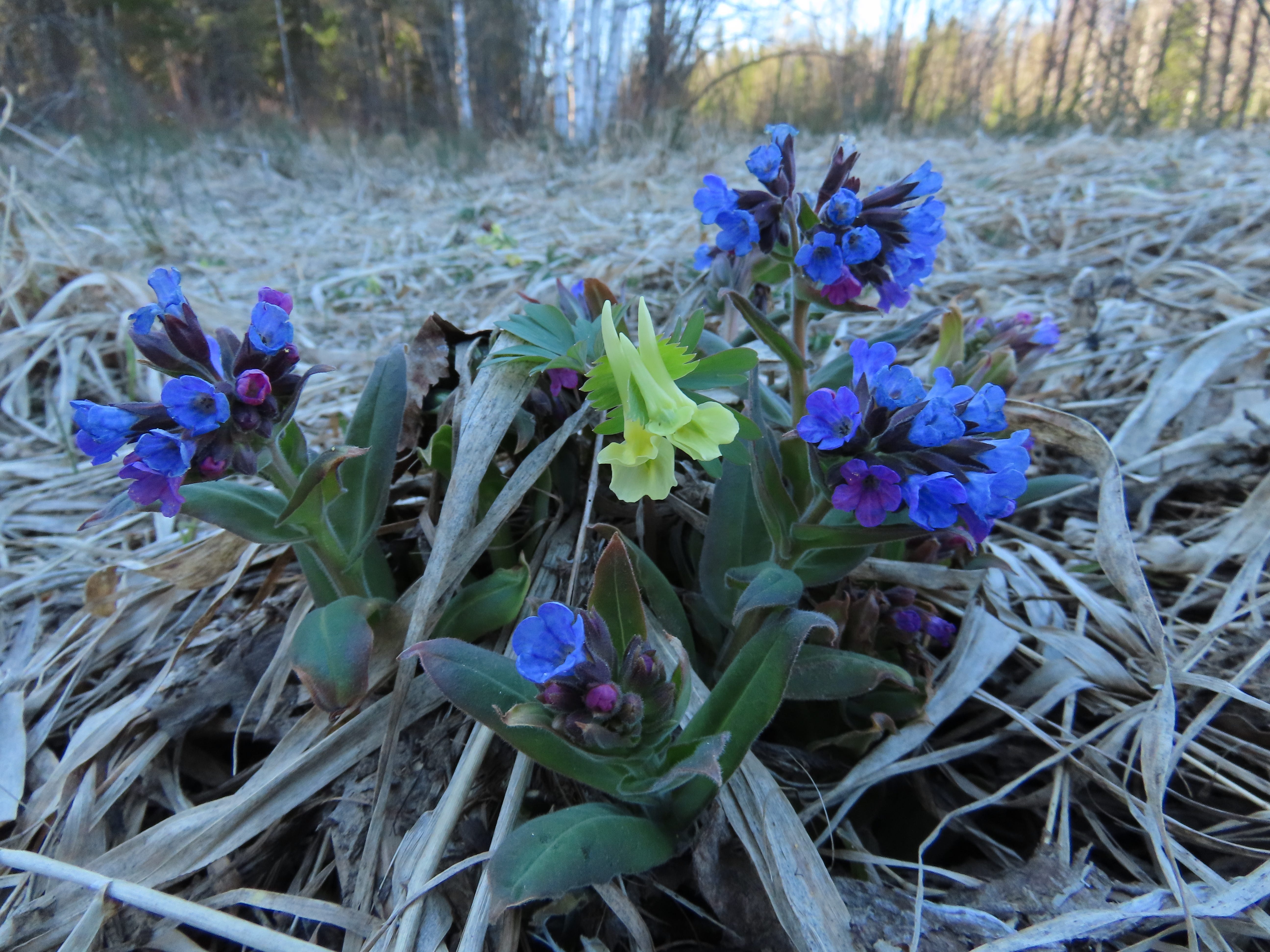
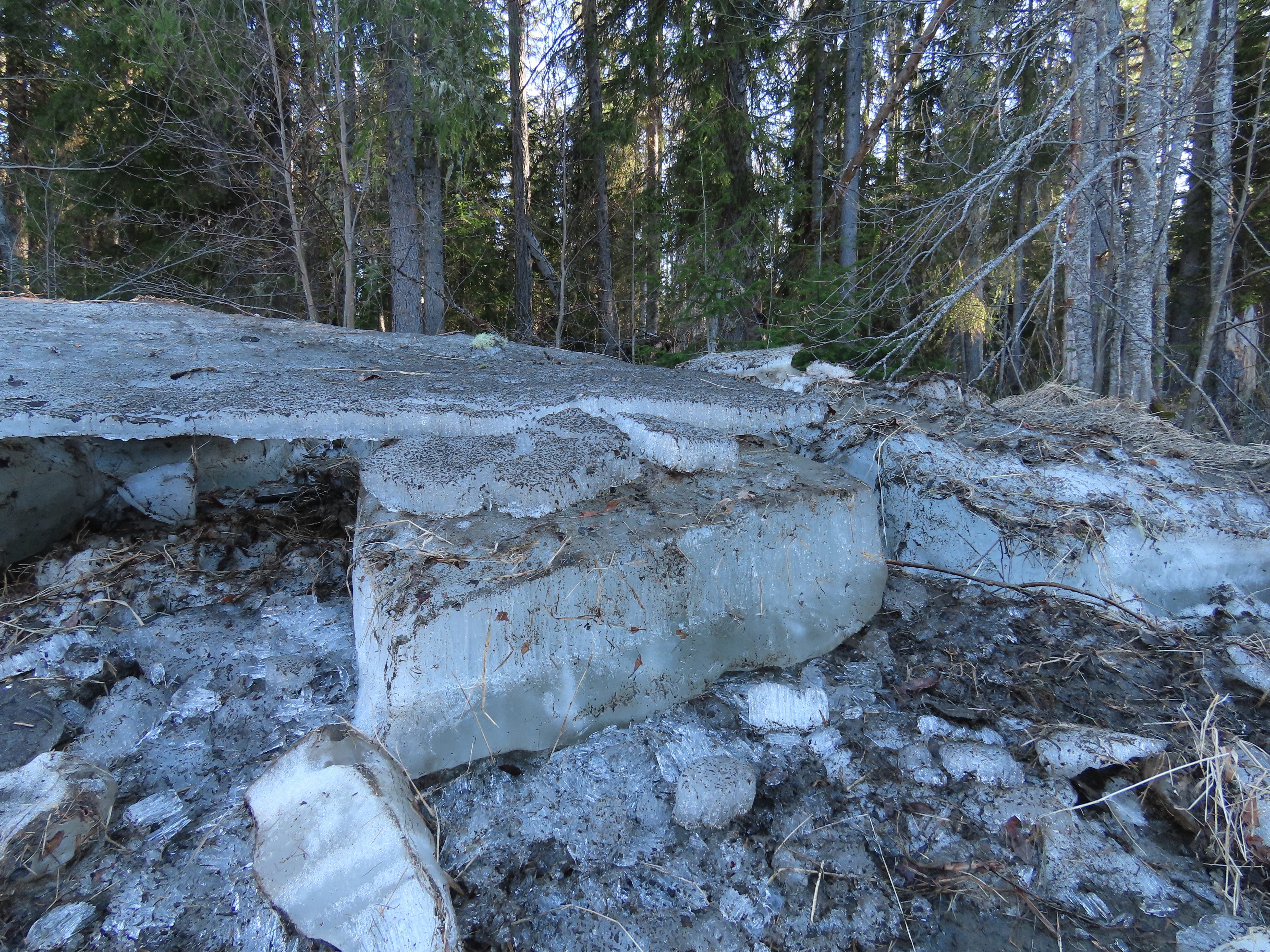
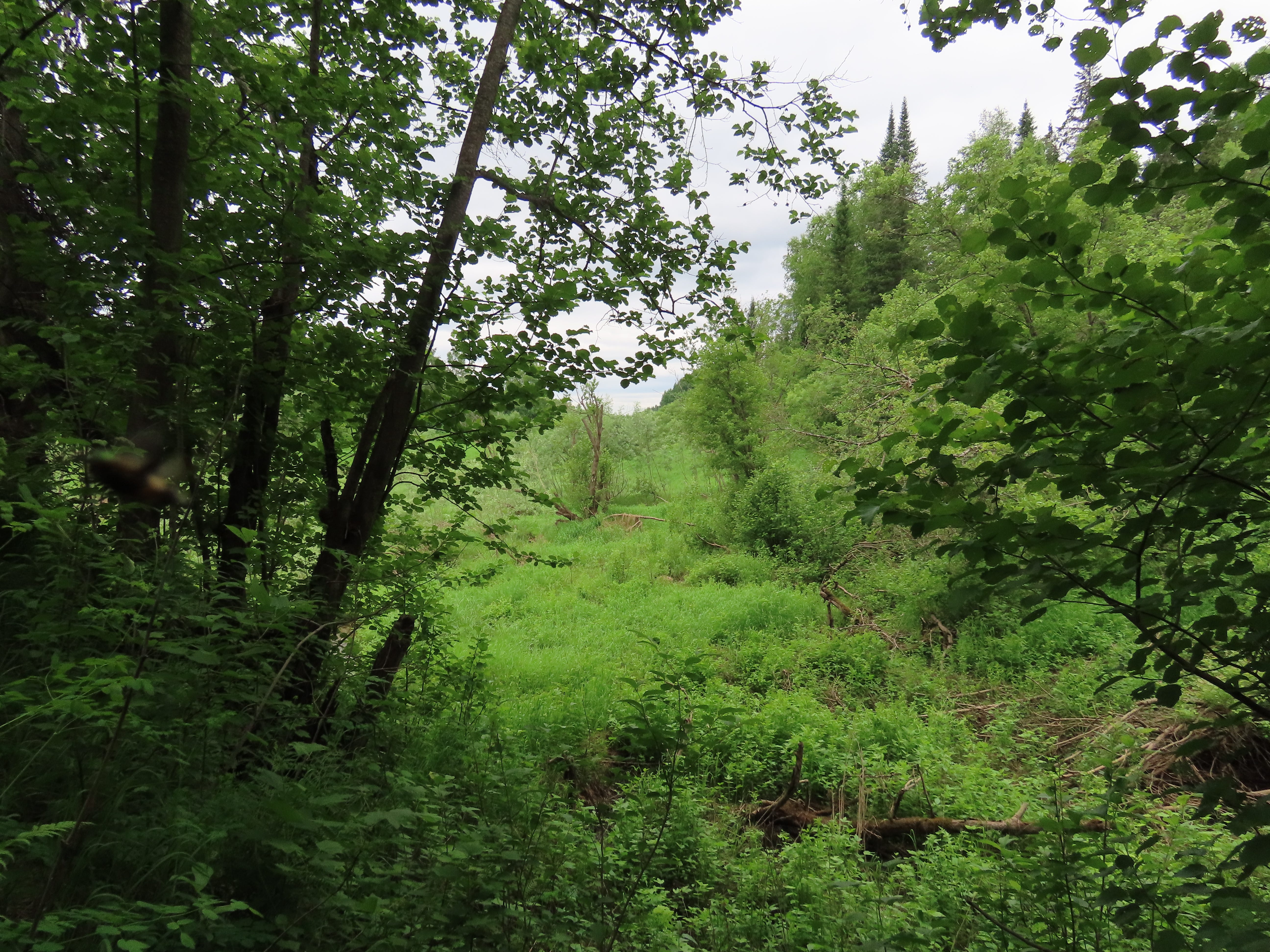
Then, over the next three weeks, comes the spring explosion. Everything bursts into life and grows, seemingly frantically, but in fact according to some intricate set of rules. You can see how powerful and unstoppable natural life is.
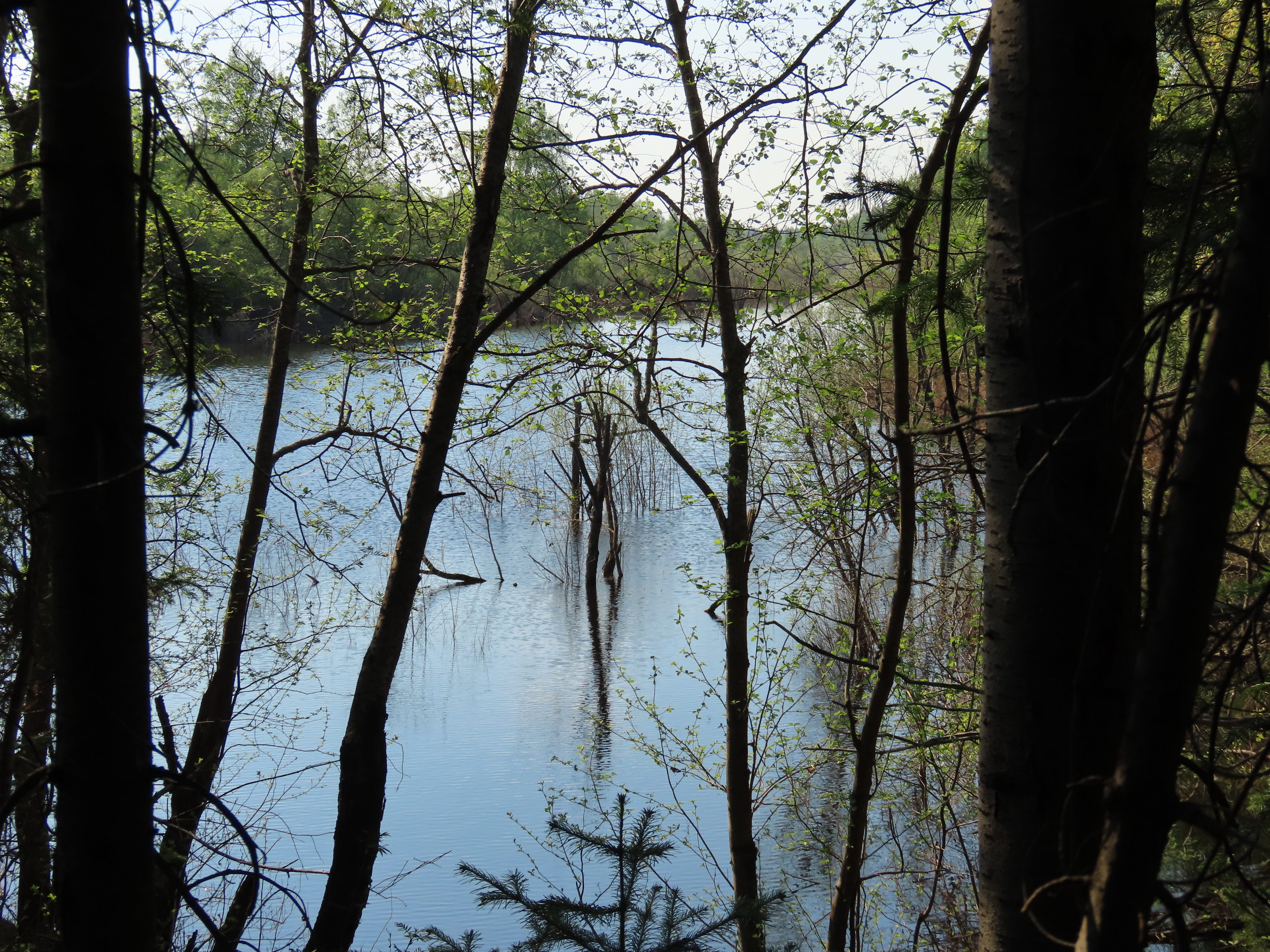
The same place, three weeks apart
You have to take care of food almost all the time: catch fish, prepare it, and try to build up a reserve for the days when there is no catch. It is a great deal of work, and it is hard to imagine that our ancestors could have survived here on catches as small as those of today, given how imperfect their tools were. Yet fish are still abundant enough to sustain you.
Then there is the bear.
This year we met one. We were returning to our cabin after a long walk when we suddenly saw bear tracks leading in the same direction, sometimes printed over our own footprints from the outward journey.
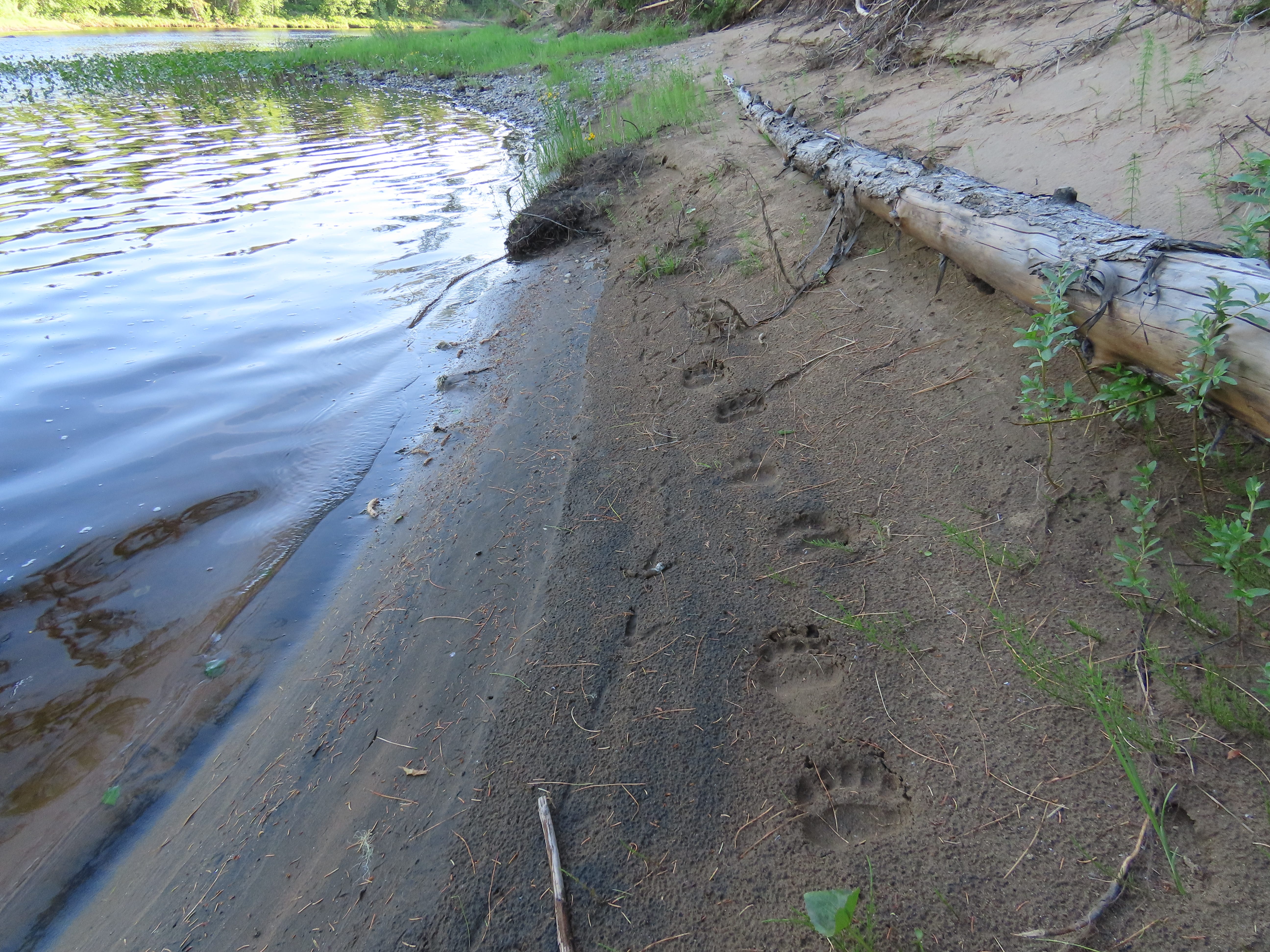
“Doesn’t this mean that he walked after us, and now we are following him?”
“Well, yes. But look—isn’t that a bear over there?”
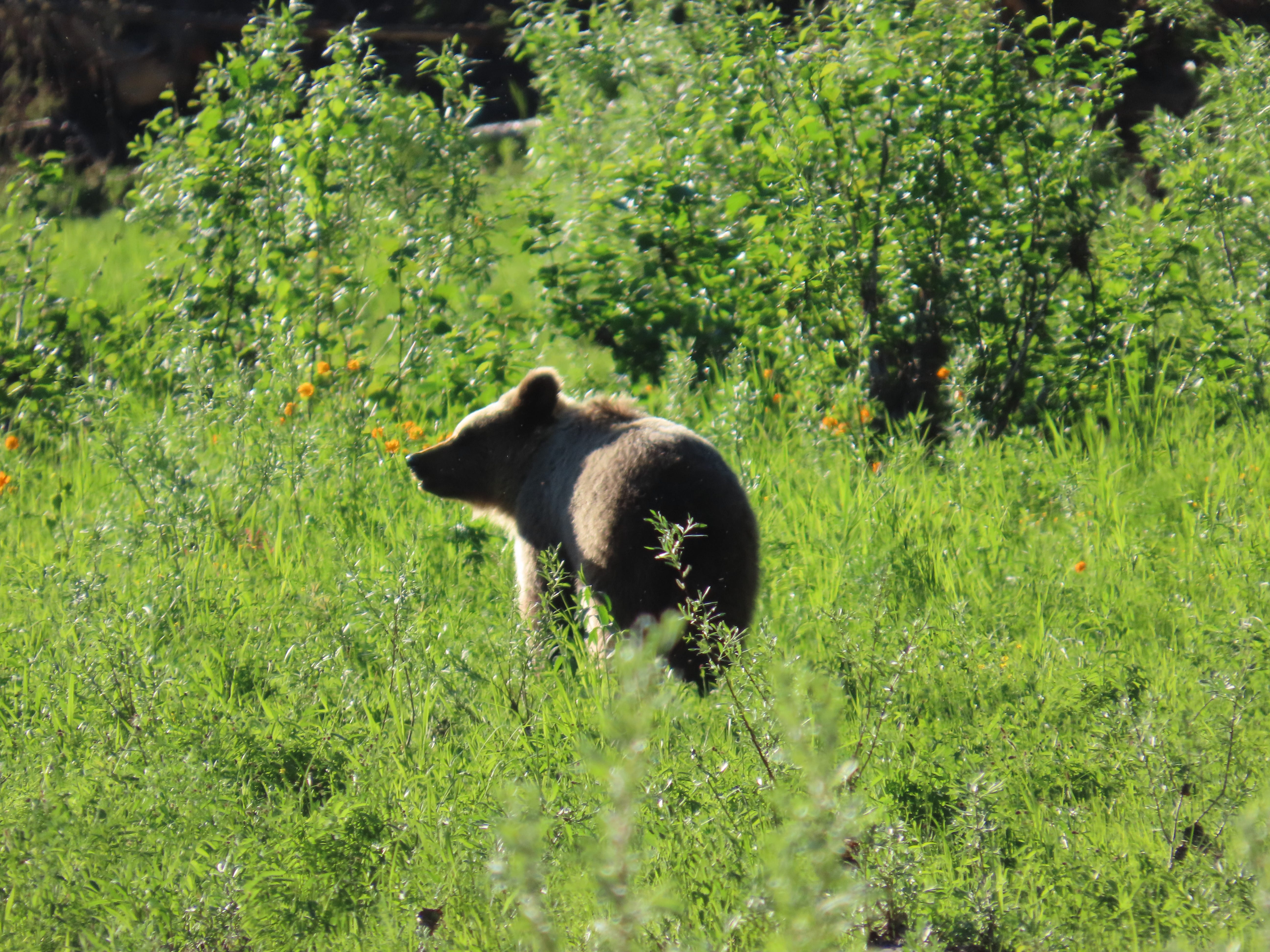
And it was, about seventy metres away, down by the river.
In Thinking Like a Mountain, Aldo Leopold wrote that a deer herd lives in “mortal fear of its wolves,” just as a mountain lives in “mortal fear of its deer.” Seeing a large predator that could tear you apart if in a bad mood awakens this fear. In small doses, it shakes you inwardly and summons hidden resources.
In larger doses, it can alter the course of a life. Dostoyevsky survived a mock execution after being sentenced to death, an experience that shaped his later work. Victor Gorshkov, born on this day in 1935, survived a terrorist bombing aboard an airliner shortly before turning from theoretical physics to the study of life.
The danger makes correct behaviour suddenly important.
Do not run. Running may trigger the instinct to pursue, and the bear may follow.
Our bear was in a good mood. He was eating plants and gradually moving away from us. Then he crossed the river, leaving our path home clear.
Home, here, means a hunter’s cabin in the forest.
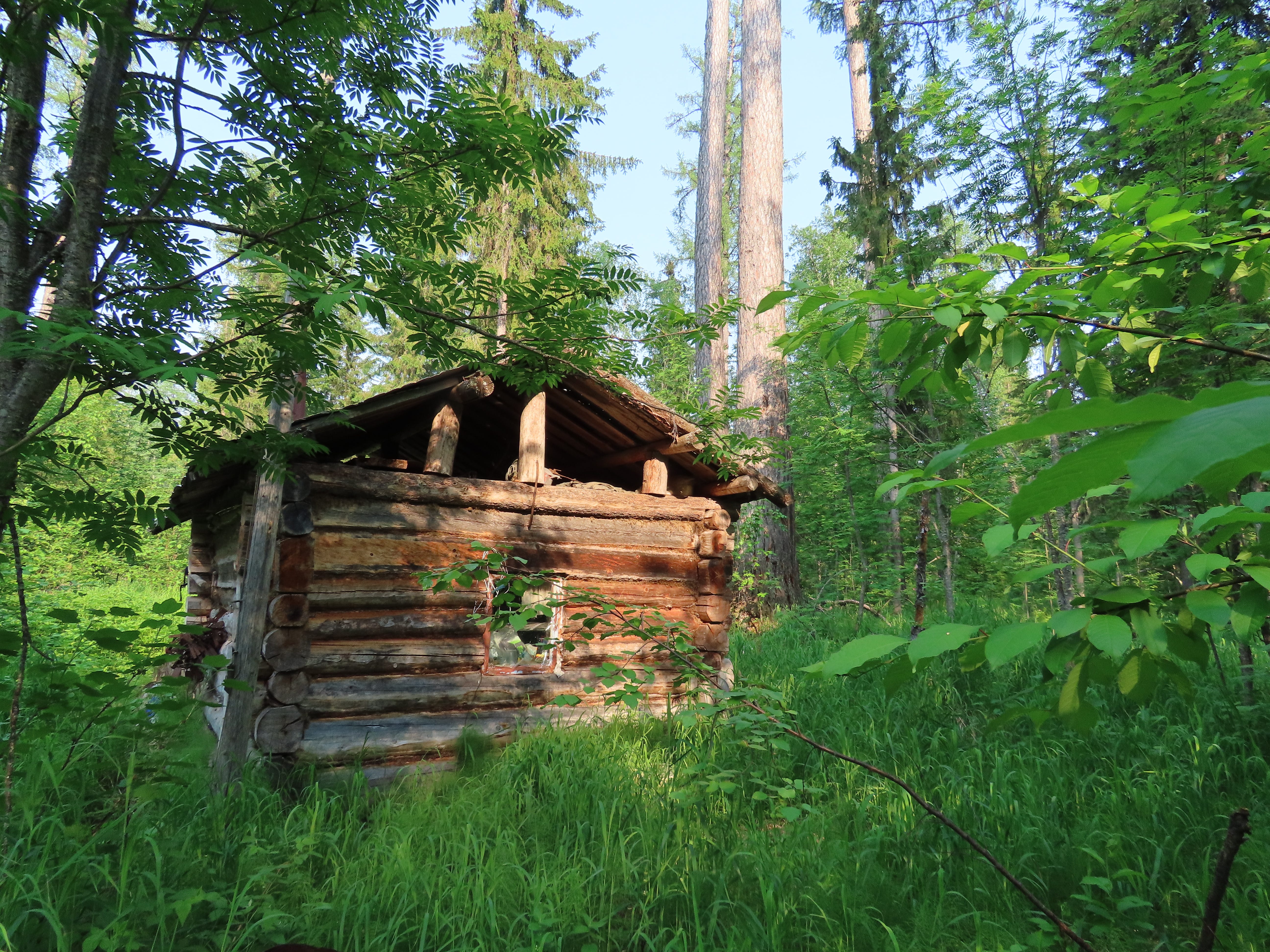
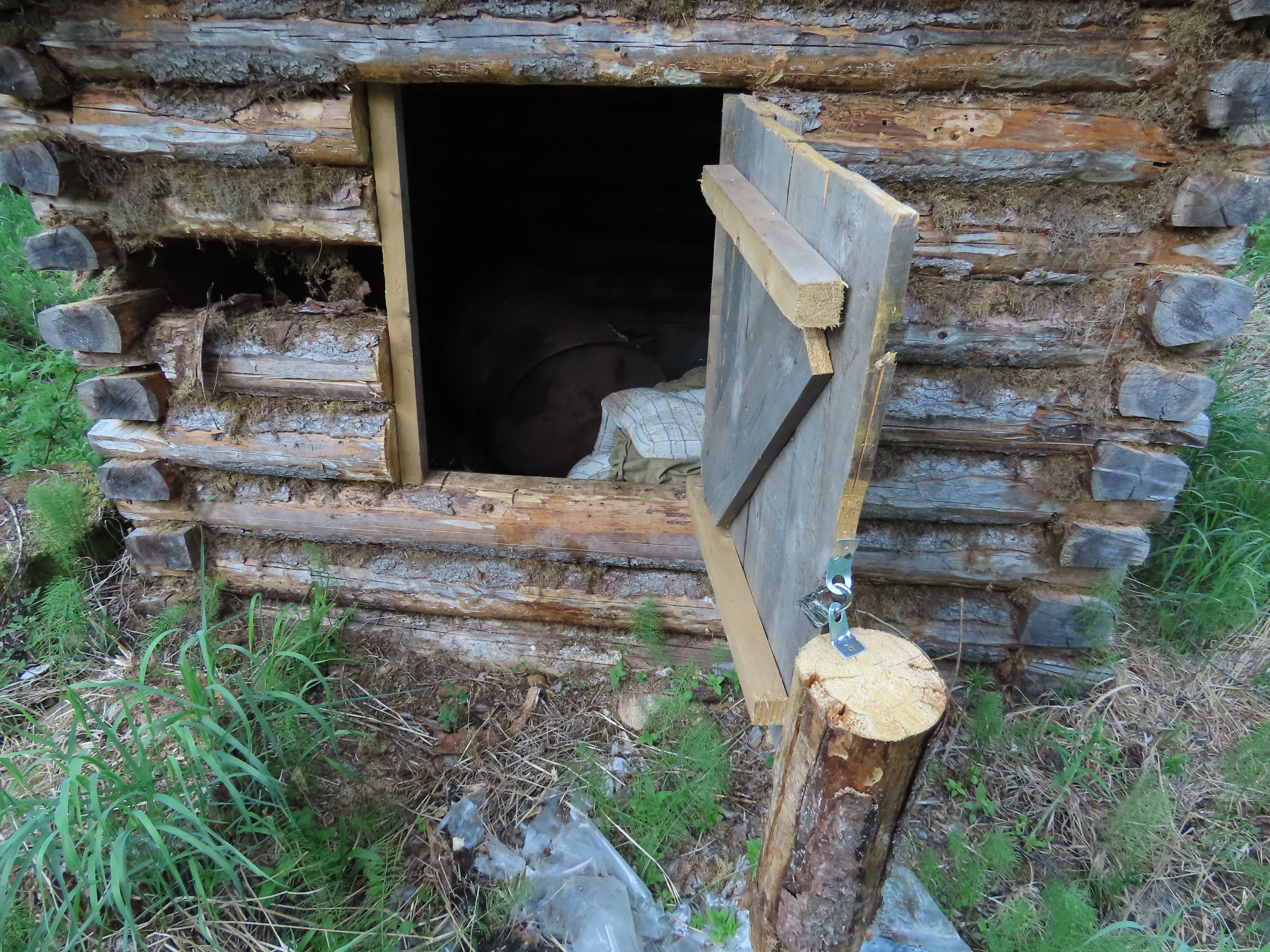
Near this cabin stood a small banya, or bathhouse. Unusually, it was locked. Earlier in the spring, a bear had smelled some food stored inside and wanted to get in. Since the door was locked, he opened it in his own way, pulling an entire piece of timber out of the wall and wreaking havoc inside.
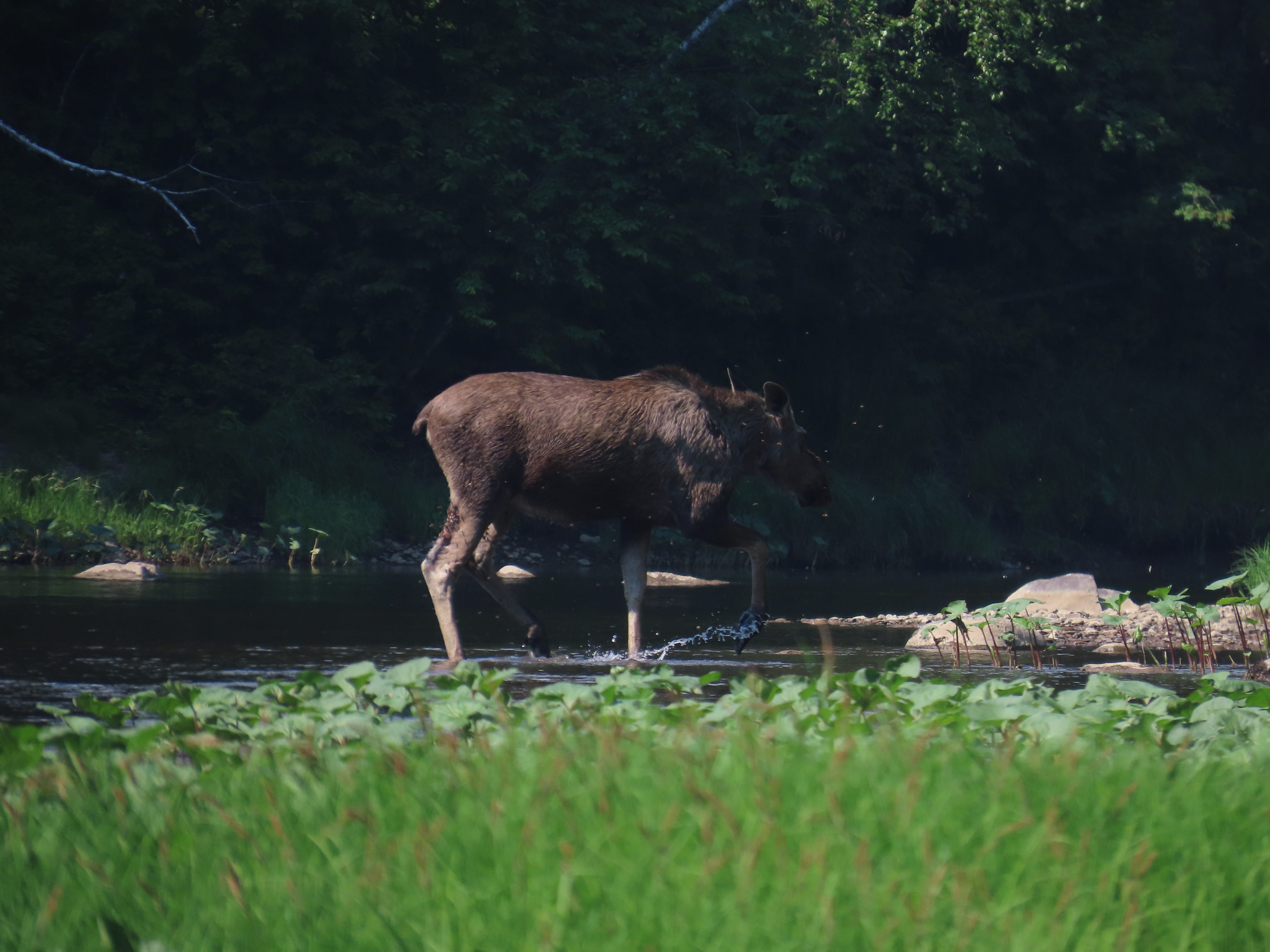
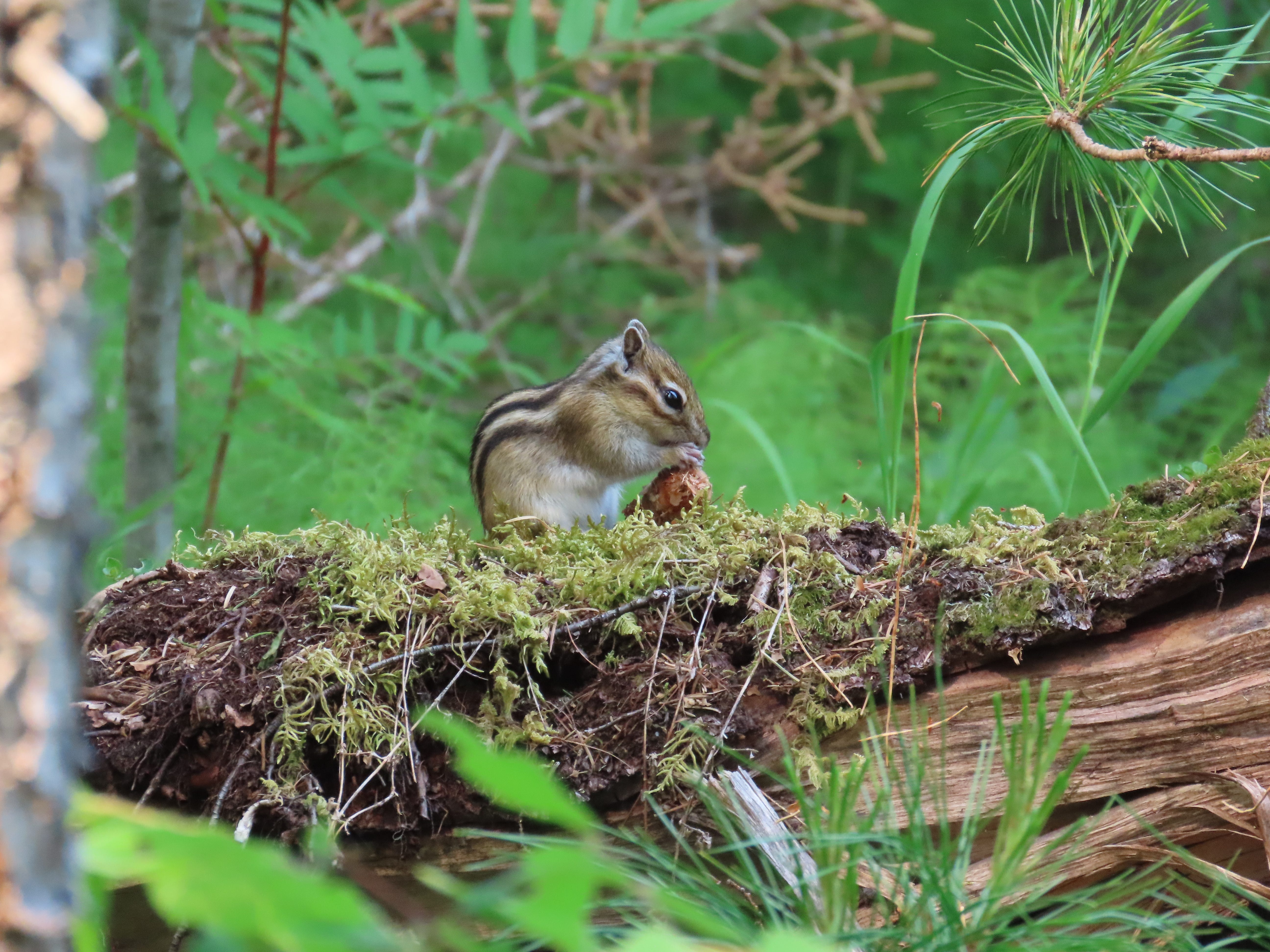
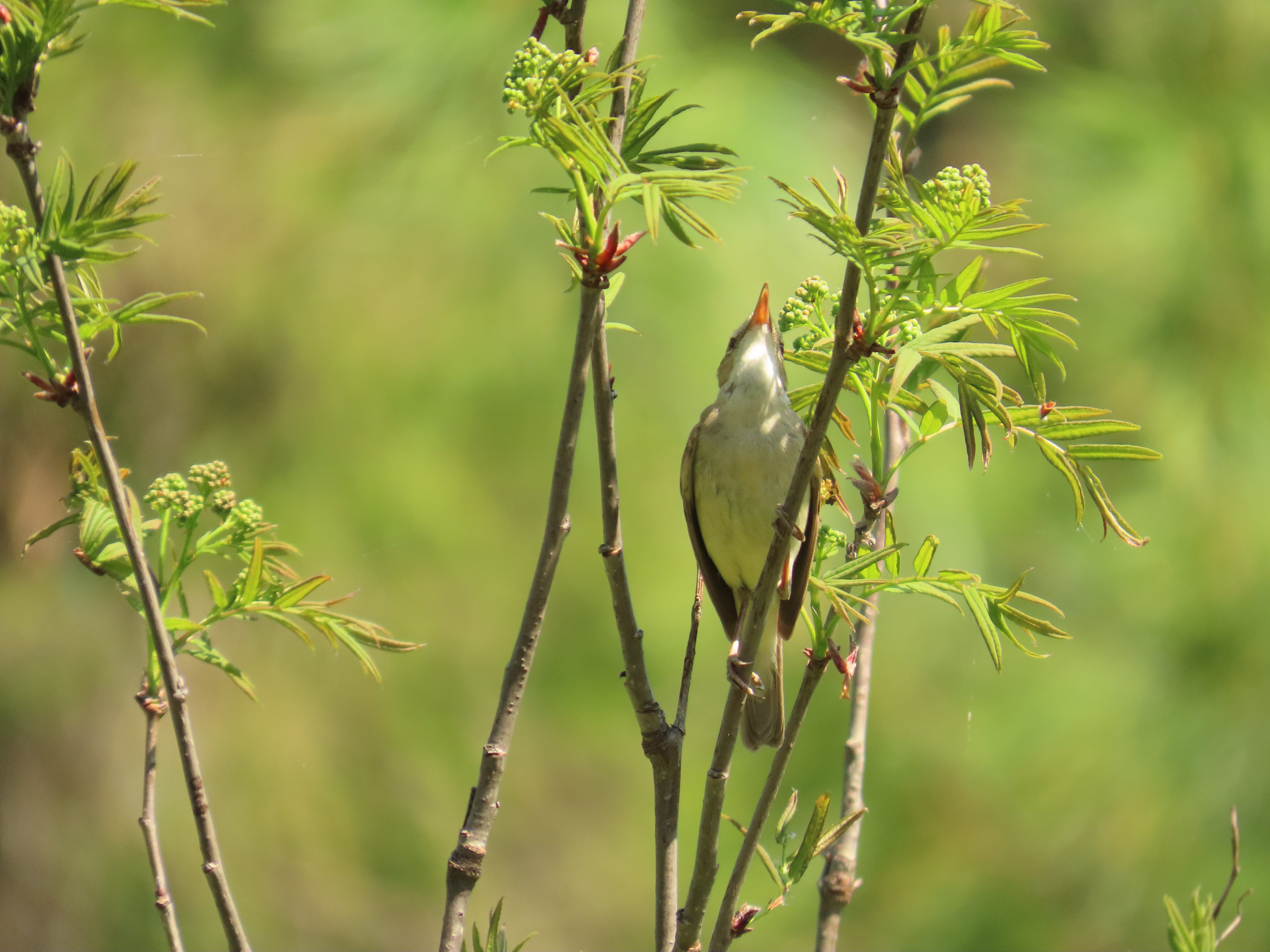
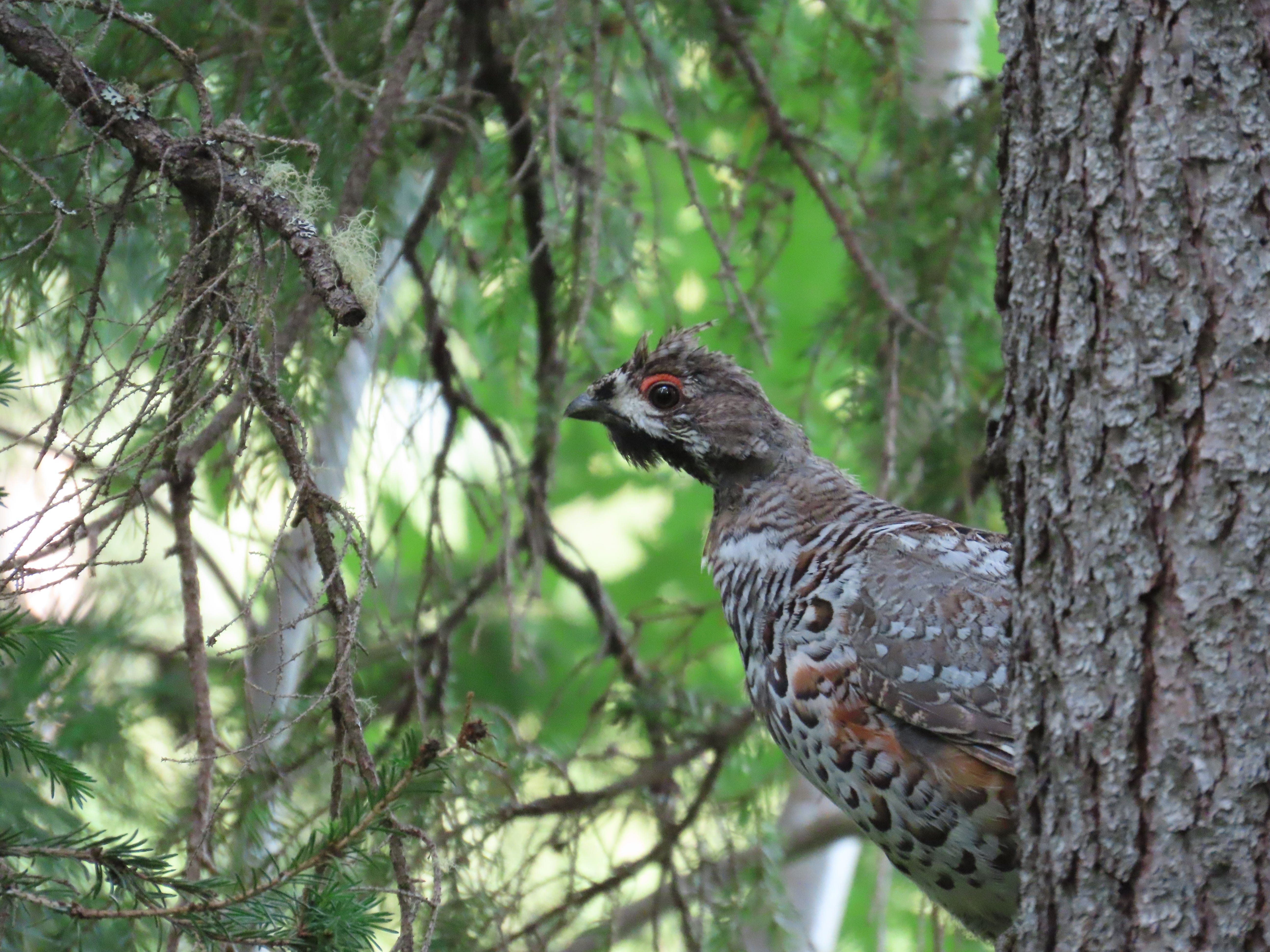
Among the other neighbours who appeared were a young moose, many chipmunks, and birds of many species. The birds sang beautifully as spring unfolded into summer.
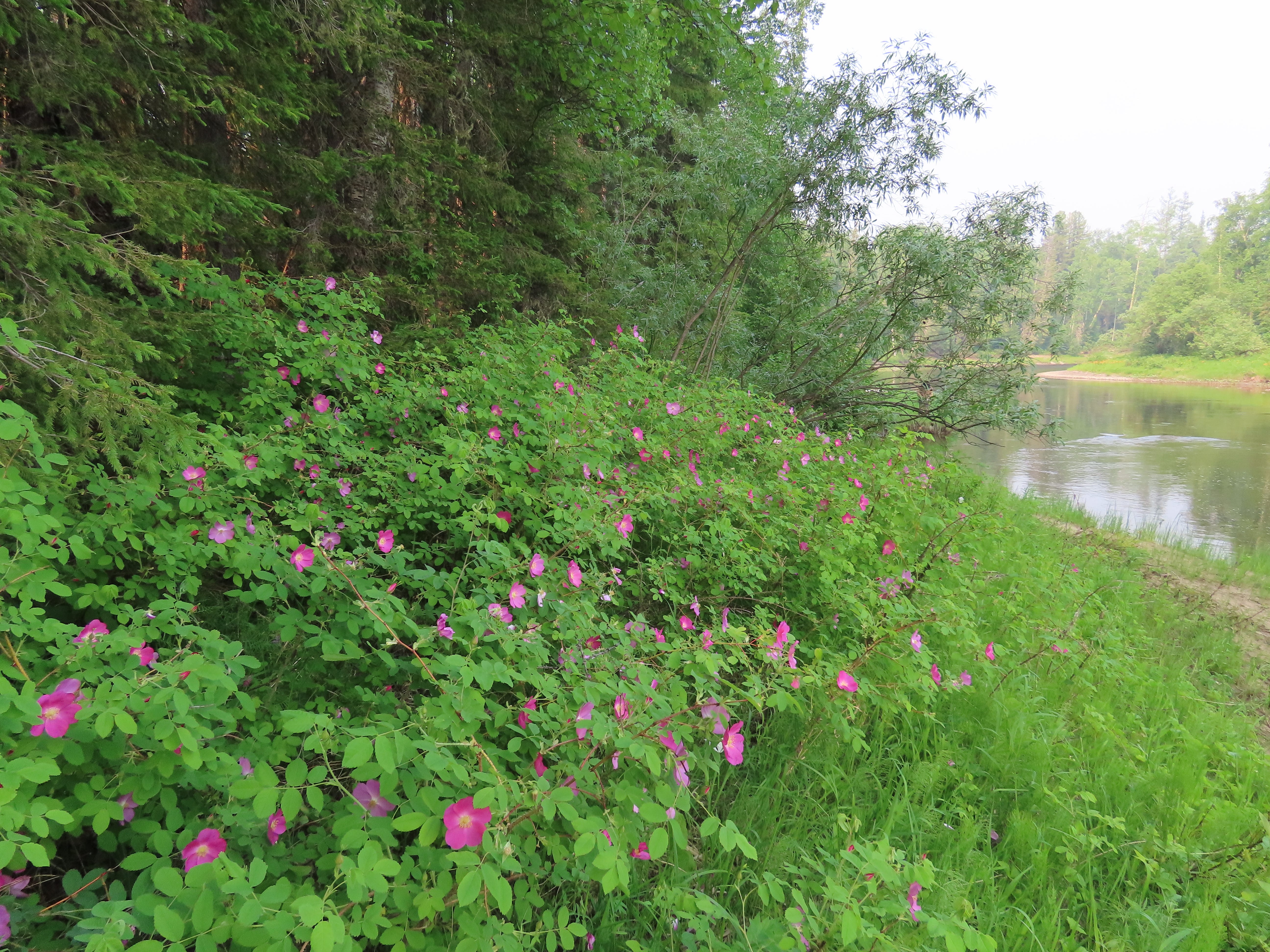
There are also all kinds of flowers: peonies, lilies, orchids, wild roses.
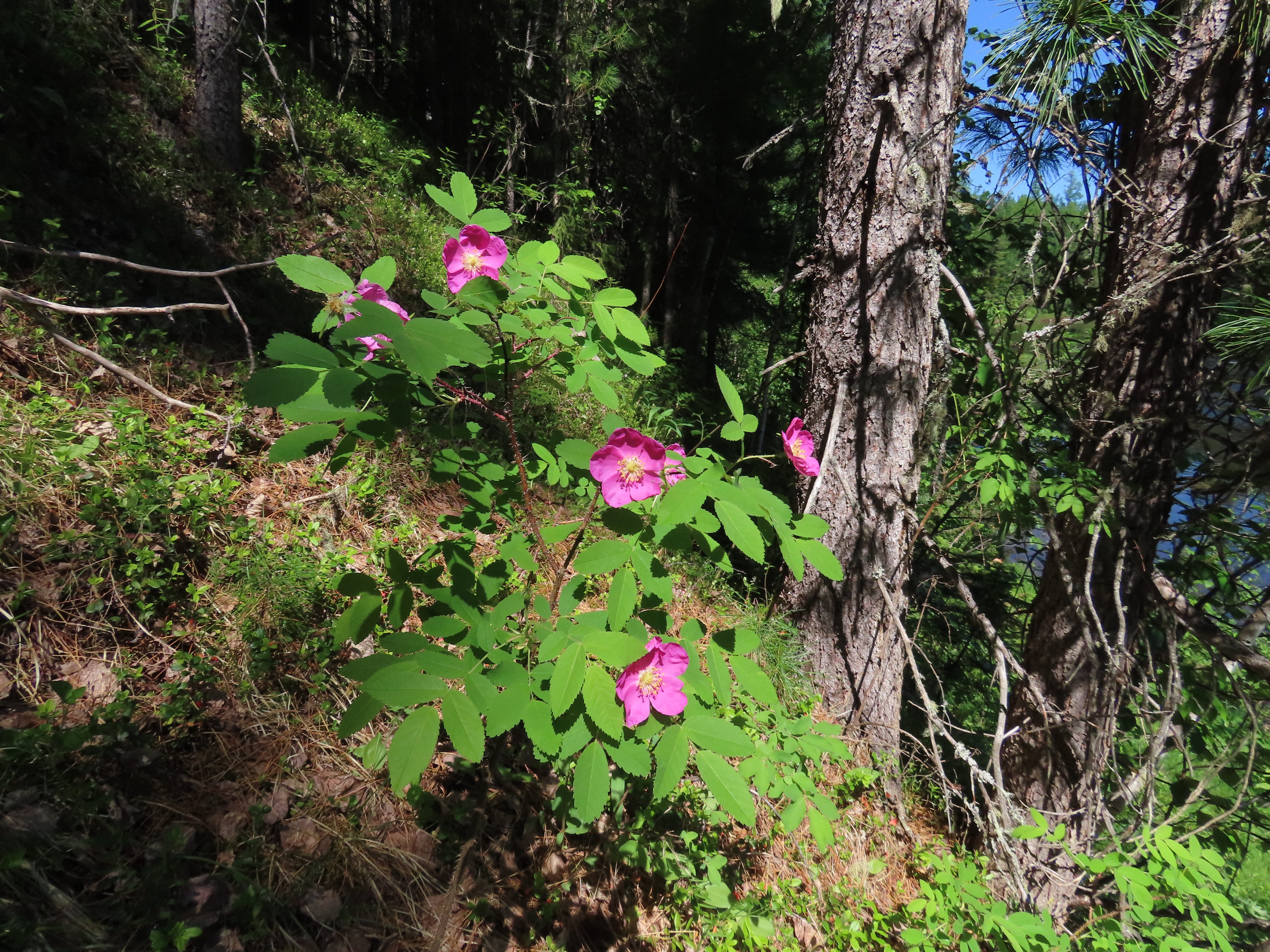
The taiga teems with flowers, like Eden.
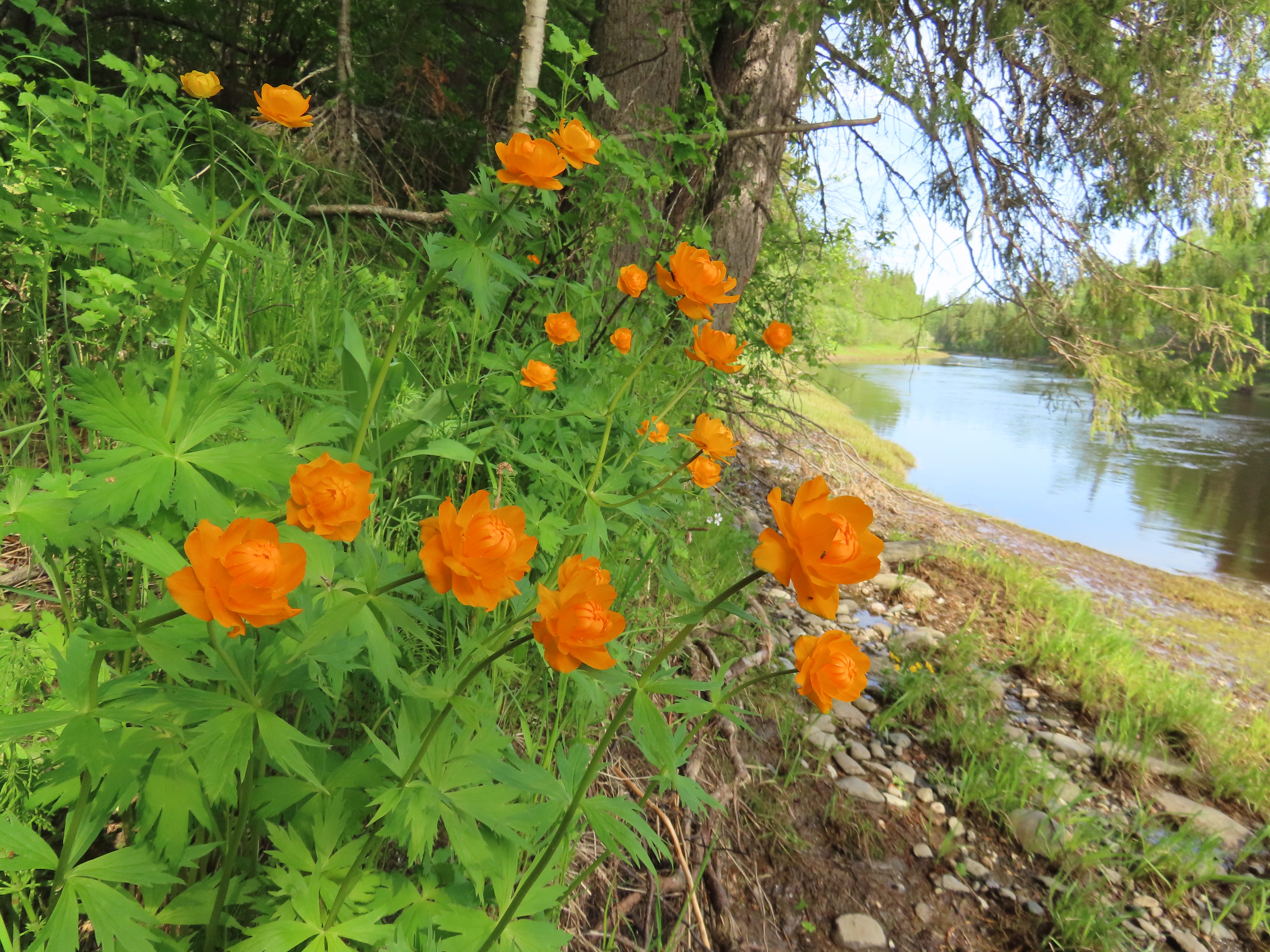
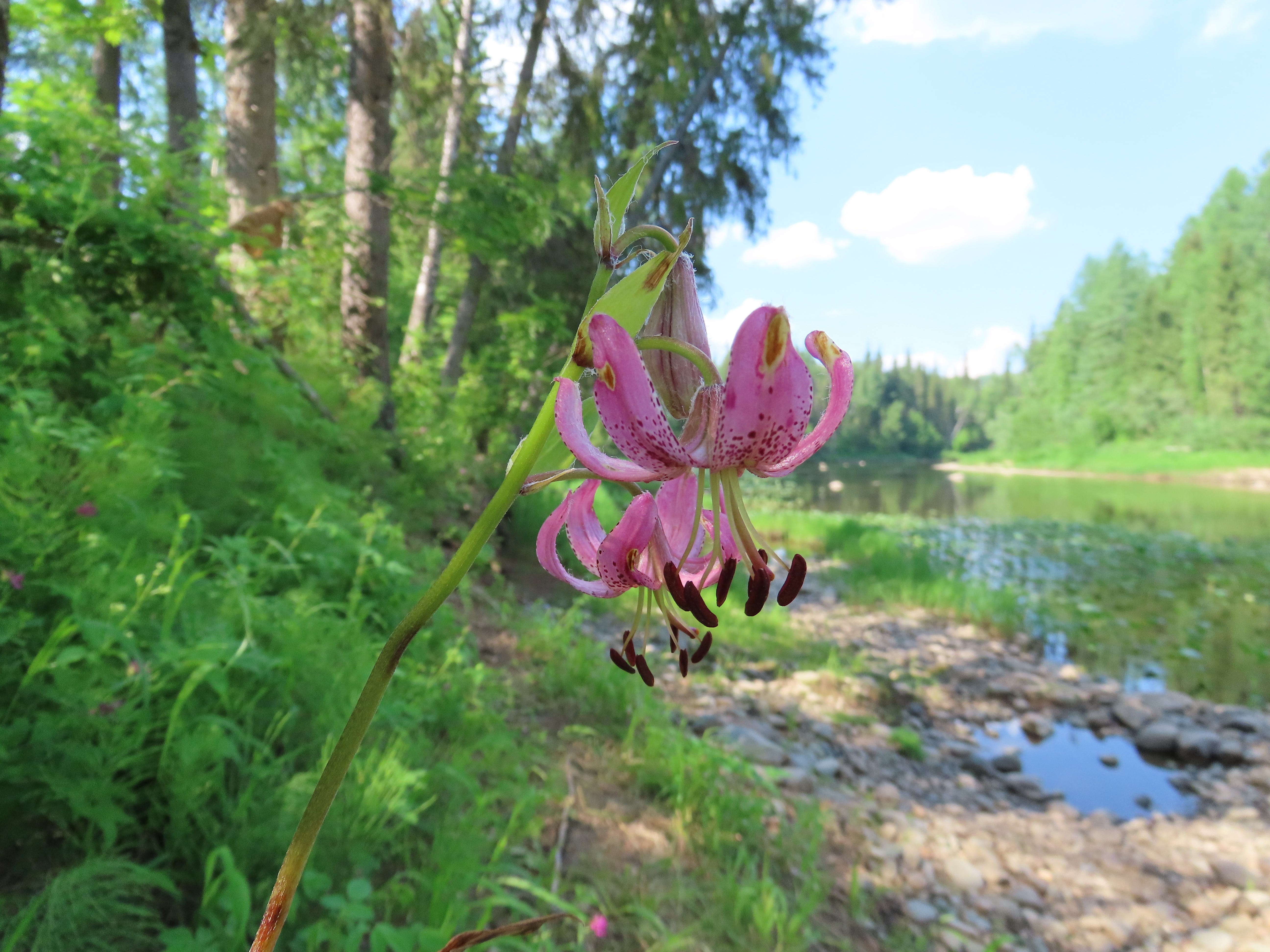
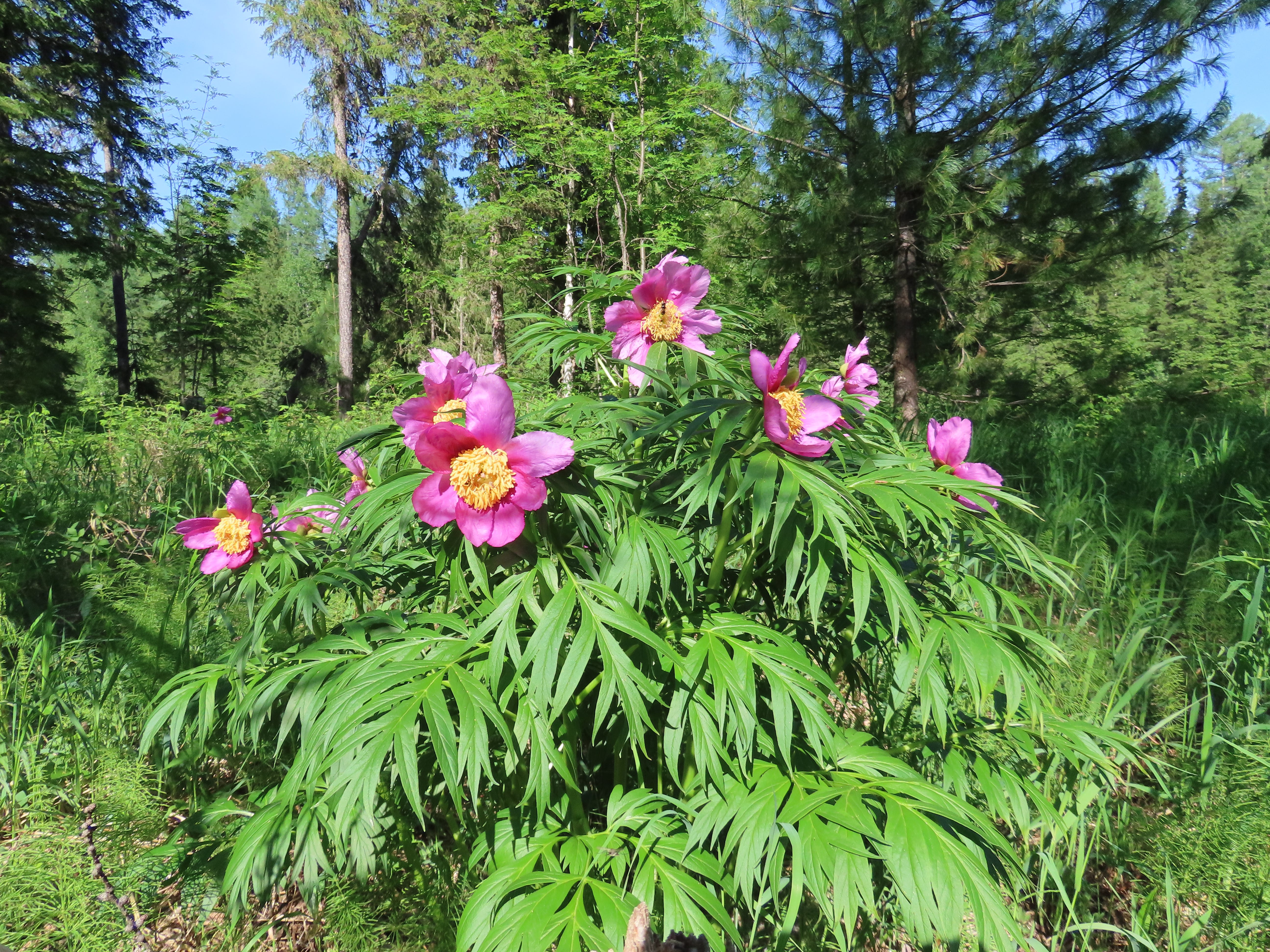
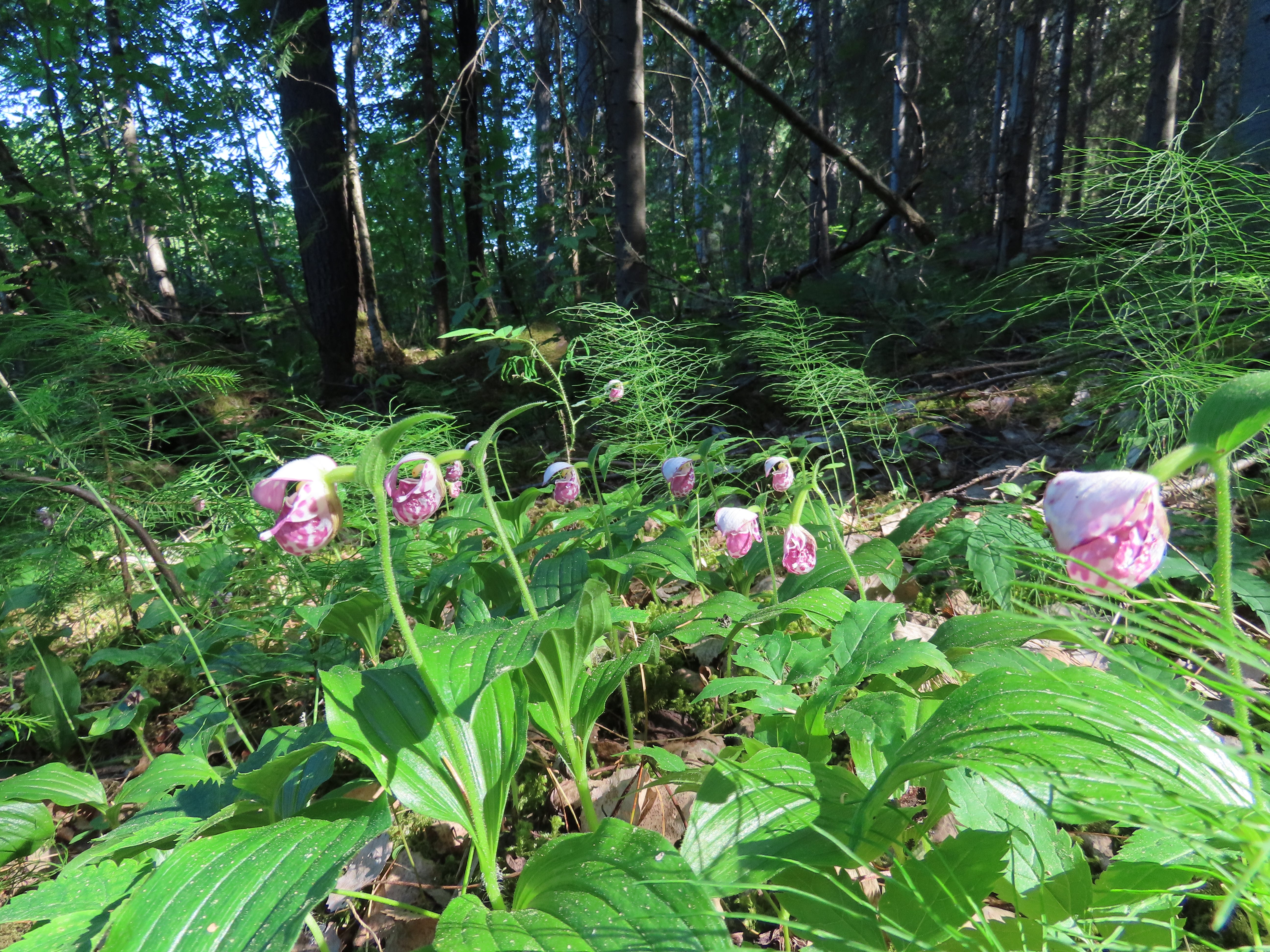
When the spring floodwaters receded, aquatic plants began to emerge, trembling in the gentle current. I have always been enchanted by their bowing, as though they were trying to tell us something, to alert us to something philosophically important.
A friend asked, “How far away is the nearest person?”
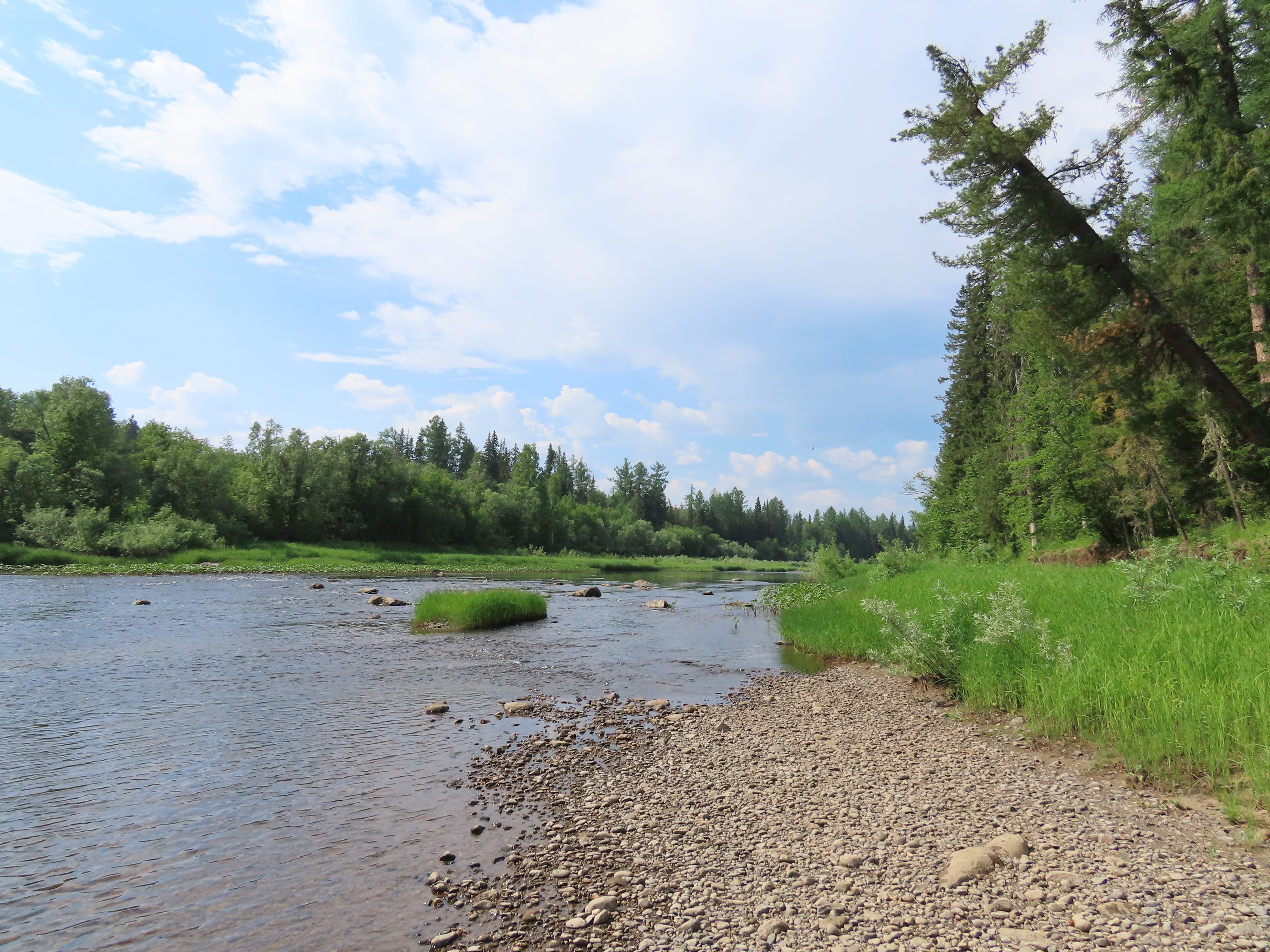
Not very far, perhaps ten kilometres away, on the Yenisey, there is a small settlement whose inhabitants maintain the river’s navigation beacons. But reaching them would take an entire day, because the taiga is almost impenetrable. And when you also have things to carry, walking out to civilization takes at least three days.
You have to cross many bogs and wetlands and climb over a succession of ridges. The terrain is difficult and complex. Walking through all this creates a peculiar mood of green immersion.
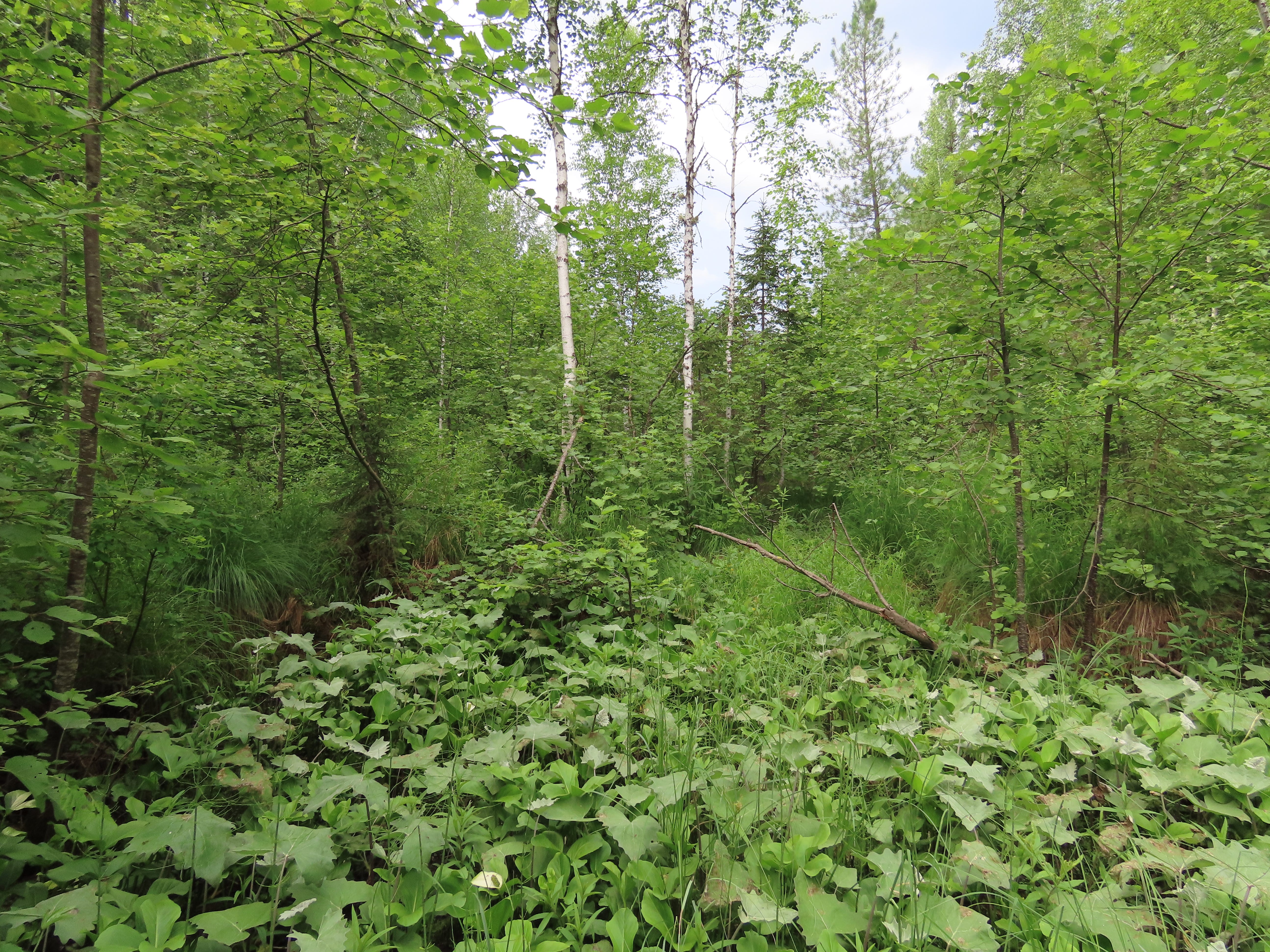
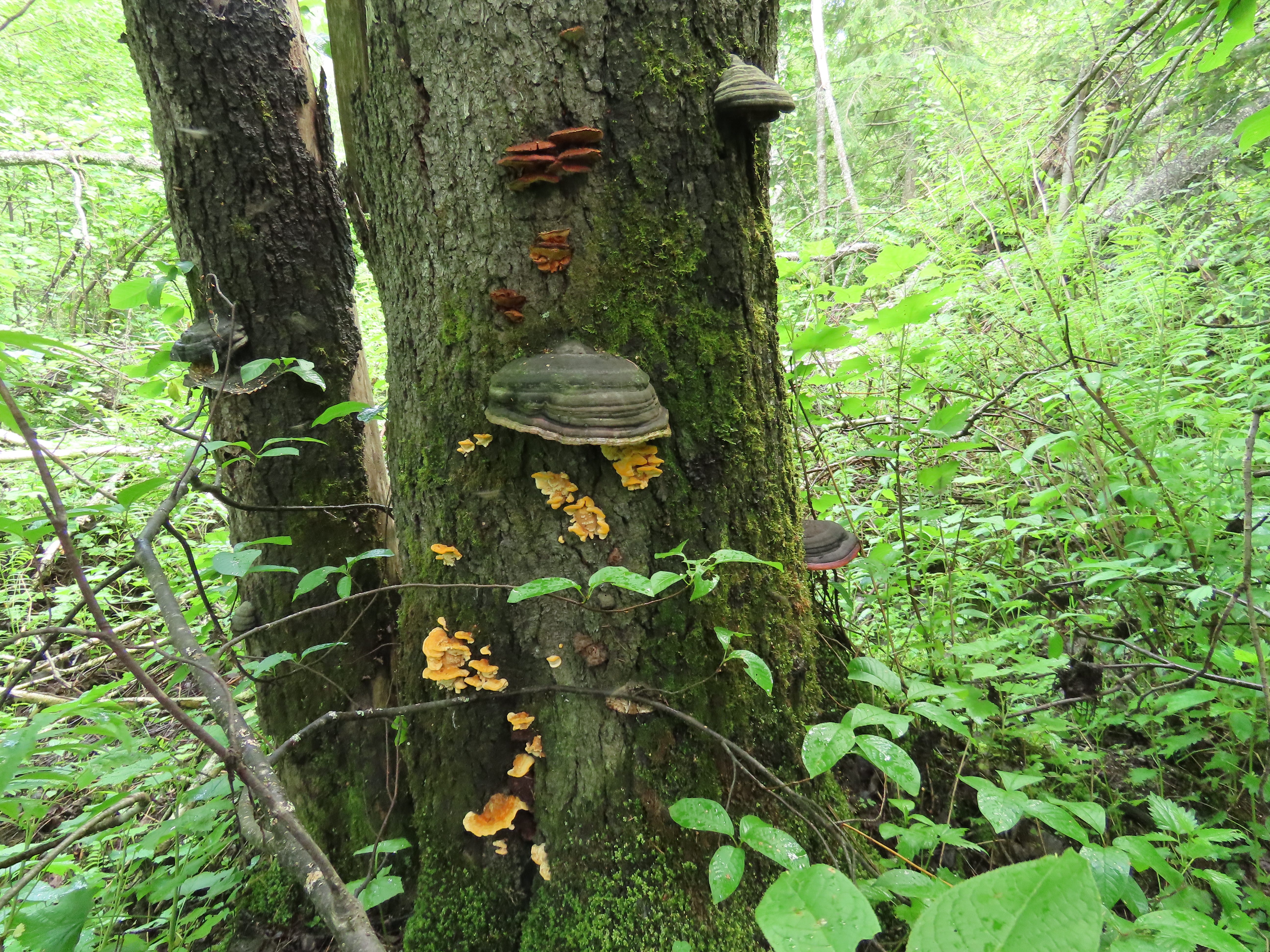
“An echanted tree” — a point where we lost our way several times
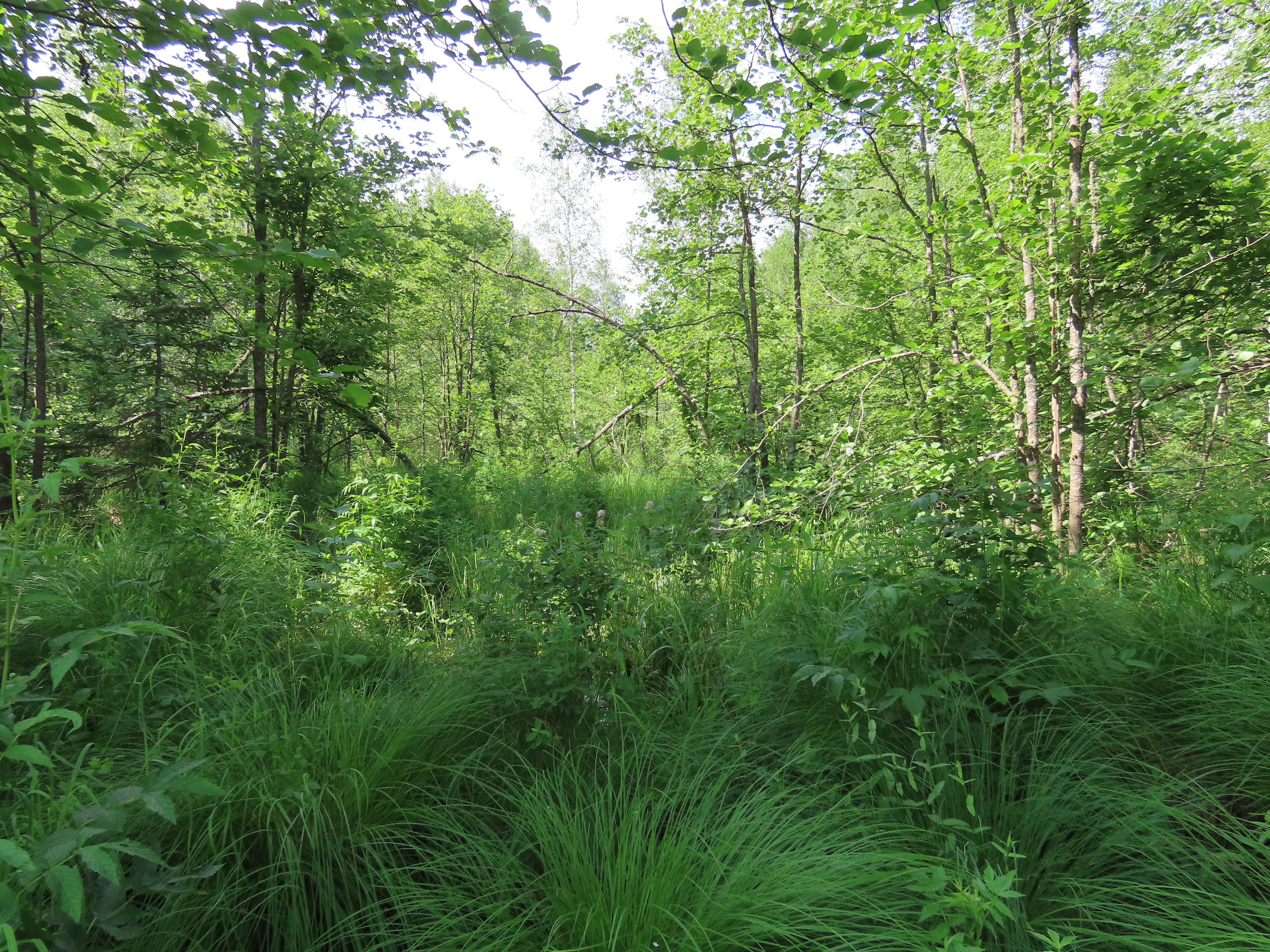
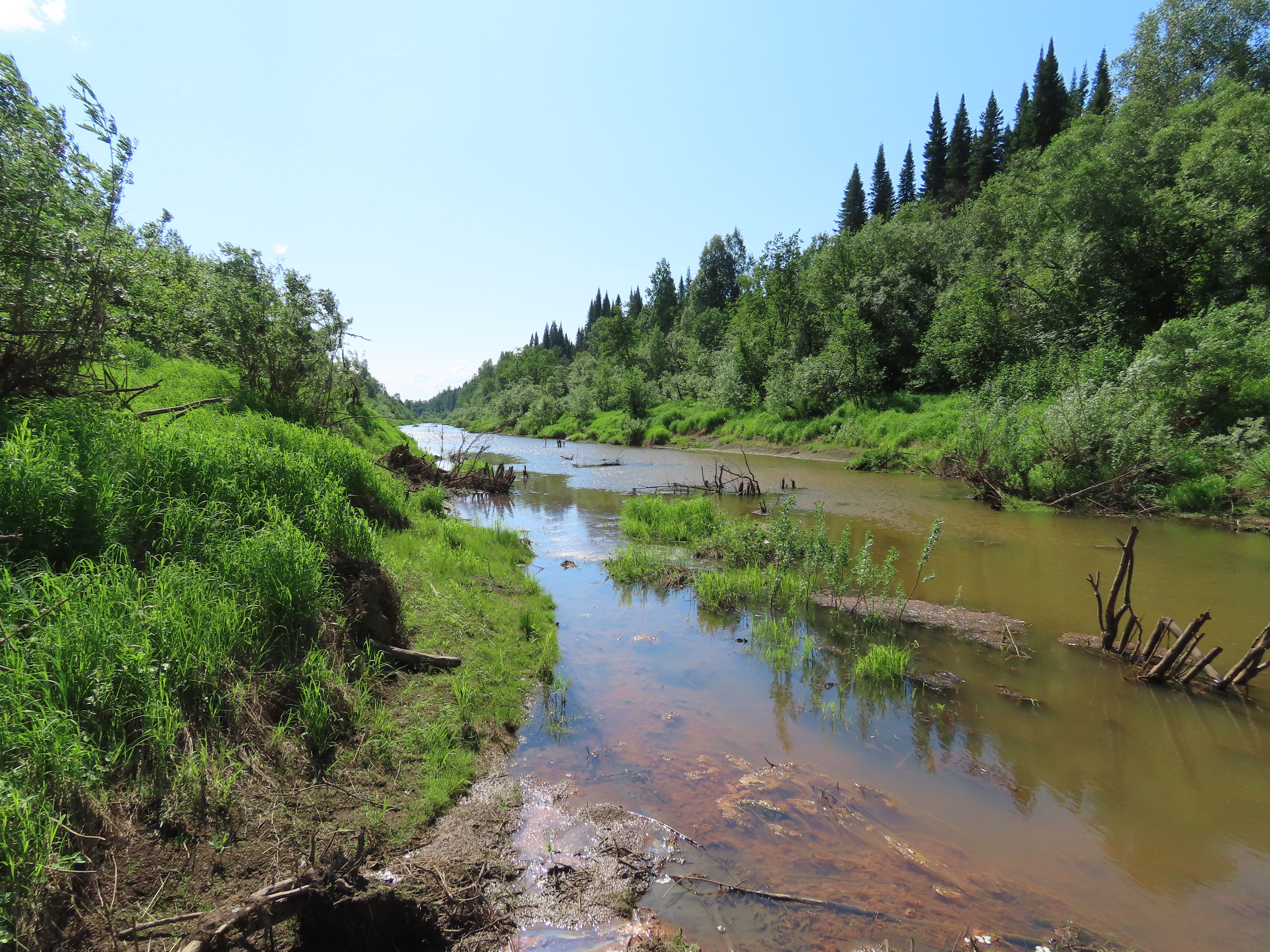
This summer was drier and warmer than usual. Our river grew shallow and warm, and the local trout retreated to the cooler waters of the Yenisey. There were no fish to catch, so we lived on the fish we had smoked earlier.
Yet the vegetation, undisturbed by human exploitation, seemed to be coping well with the unusually dry conditions. Given nature a chance. Give it space to breathe.
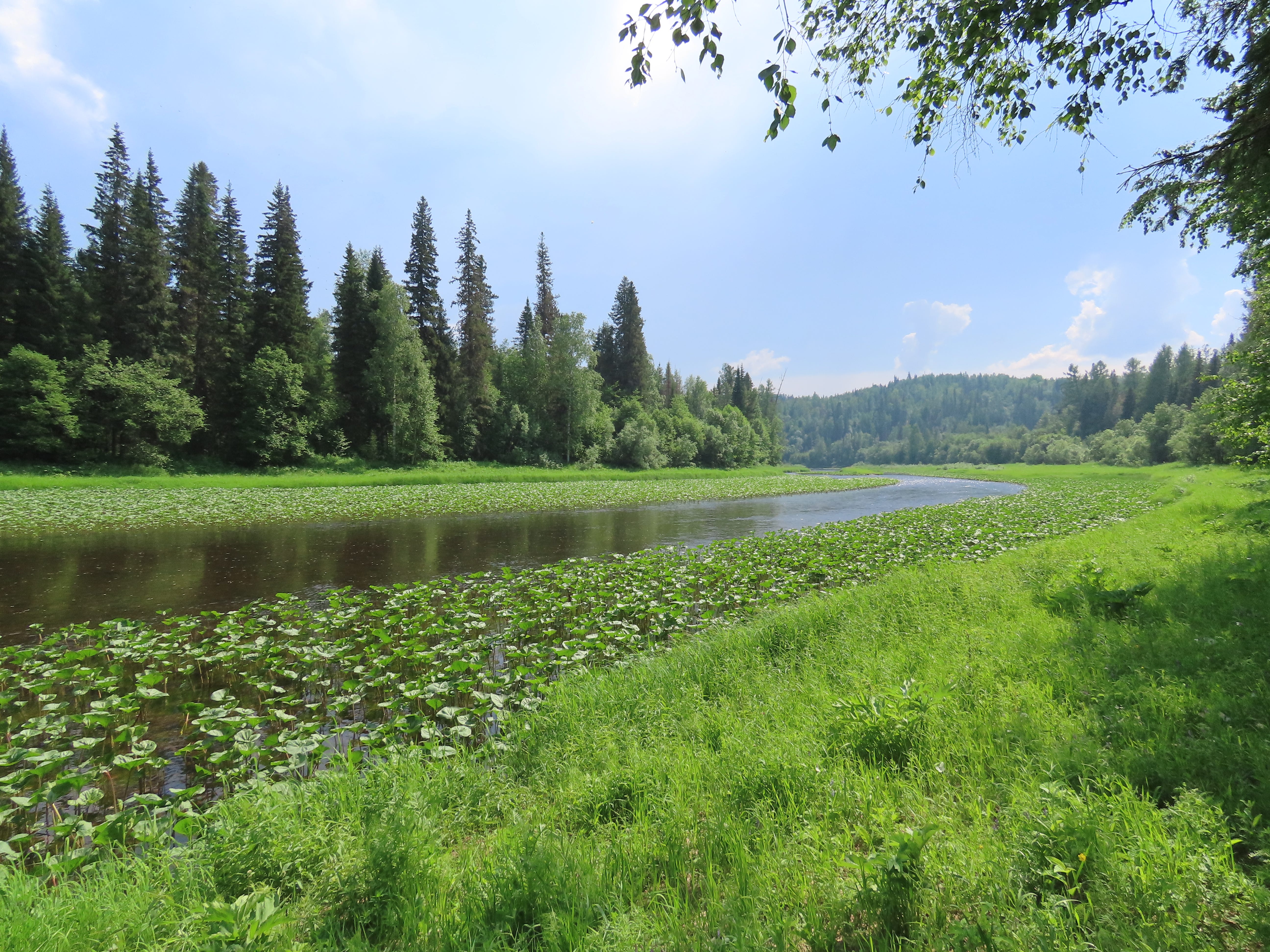
The mosquitoes make it impossible to leave much skin exposed, so you have to remain fully covered even in the heat, while walking and carrying your things. By the time you finally emerge from the taiga to the nearest village, you need at least a couple of days simply to recover.
Aldo Leopold concluded Thinking Like a Mountain as follows:
We all strive for safety, prosperity, comfort, long life, and dullness. The deer strives with his supple legs, the cowman with trap and poison, the statesman with pen, the most of us with machines, votes, and dollars, but it all comes to the same thing: peace in our time. A measure of success in this is all well enough, and maybe a requisite to objective thinking, but too much safety seems to yield only danger in the long run. Perhaps this is behind Thoreau’s dictum: In wildness is the salvation of the world. Perhaps this is the hidden meaning in the howl of the wolf, long known among mountains, but seldom perceived among men.
My own, non-poetic take is less radical and more positive. Wildness is extraordinarily beautiful, complex, and difficult. Modern people have a unique opportunity to preserve it, experience and enjoy its breathtaking beauty, and then return to the comforts of civilization. What is needed is a rethinking of priorities.
beautiful experience, beautifully written. (what is the type of bear? Russian equivalent of Grizzly?)
Great reading! Here in Europe we are too crowded and in big cities to imagine what it means to live in wilderness.